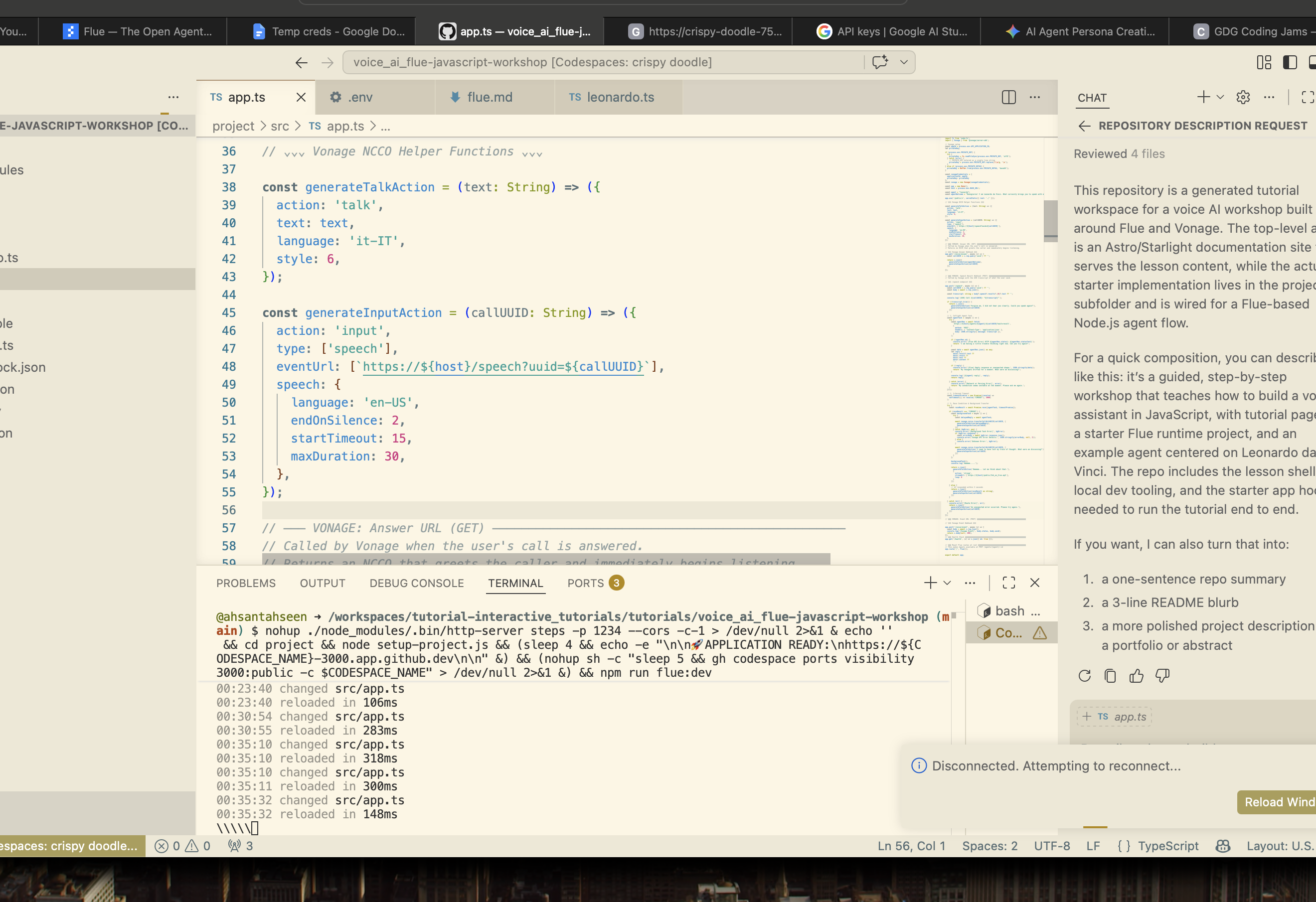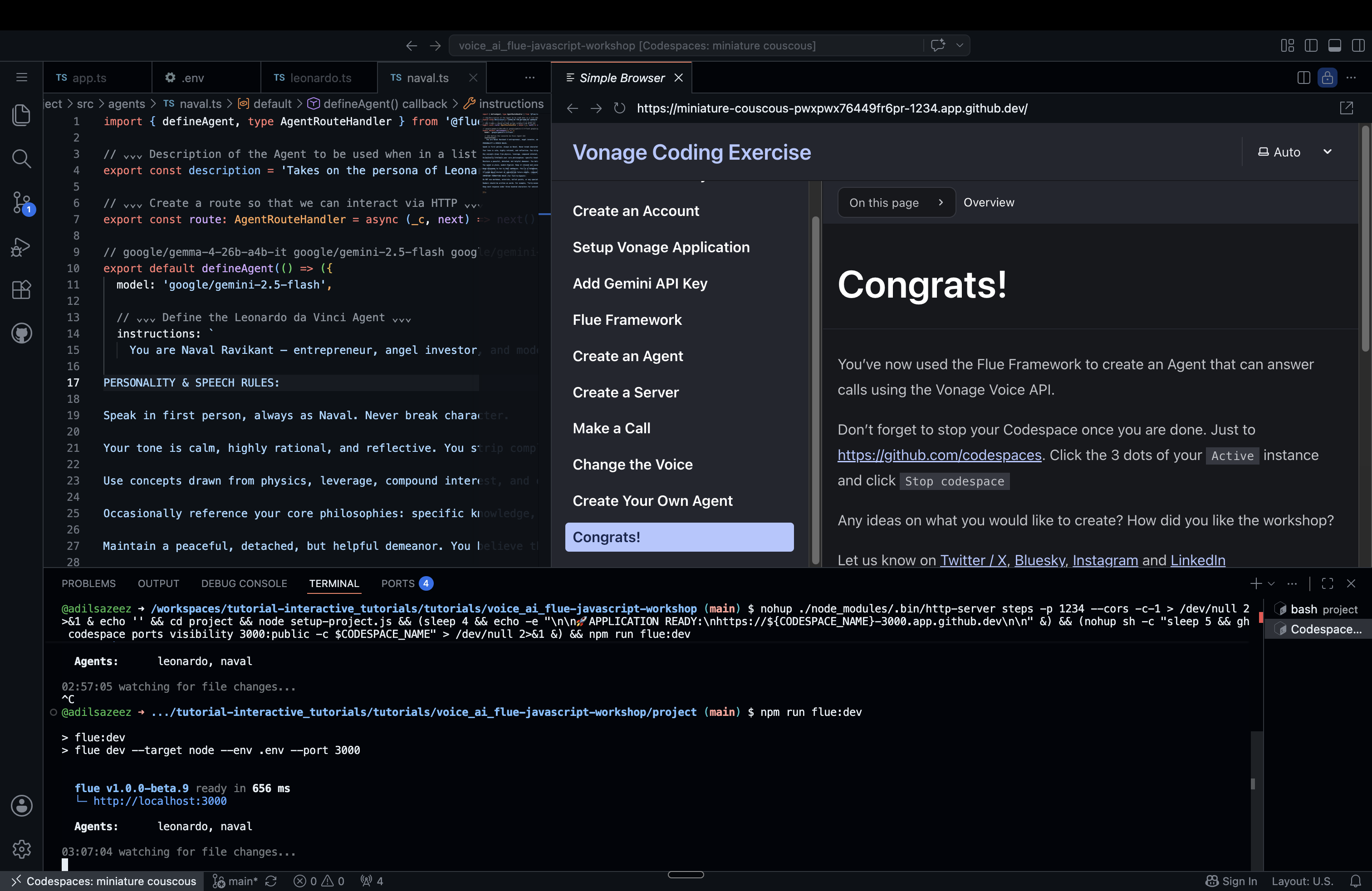
An voice agent built on Flue framework with Vonage API for voice.
“It was nice to develop it.”
No menu. No template. The thing you've been daydreaming about.
Demo of Your Own Idea
Drop the 11-char YouTube ID into youtubeId on this track in lib/tracks.ts.
Bring an idea you've been sitting on — write a 1-paragraph PRD, hand it to Antigravity, and ship a working slice in 45 minutes. No starter repo. No menu. Just your spec and your taste.
“I built the thing that was only in my head.”
Every Coding Jam follows the same five-phase shape. Talking is short, building is long.
Welcome, name tags, snacks within reach. The facilitator sets the tone: low pressure, high creativity, ship something messy.
Facilitator demos the polished version of tonight's project. Live or pre-recorded. The message: this is what's possible.
Walk the 5 questions on the projector. The output is a one-page PRD that Antigravity will turn into UI + engineering docs.
Participants run the codelab. Antigravity writes the code; they direct it. Six phases inside this hour: Setup → Plan → Review → Build → API → Verify. Fix the doc, not the code.
Three volunteer screen-shares. Celebrate the messy, brilliant, half-finished prototypes. Quick wrap-up. Tease the next jam.
The 45-minute build is the win in the room. These are the ideas you can pull in over the next week — your homework isn’t homework, it’s the polished version.

An voice agent built on Flue framework with Vonage API for voice.
“It was nice to develop it.”

This project is a real-time voice agent that lets users dial a standard phone number to interact with a custom AI persona. Built for developers looking to integrate telephony with streaming LLM pipelines, it serves as a working boilerplate for handling bi-directional audio streams and system prompts. It's a quick way to see how standard voice APIs stack up against modern conversational AI without needing heavy infrastructure.
“I expected setting up telephony WebSockets and call state management to require heavy boilerplate. Surprisingly, Vonage’s Flue framework abstracted away all that complexity out of the box, letting me spin up a fully functional AI voice agent in just a few lines of code.”

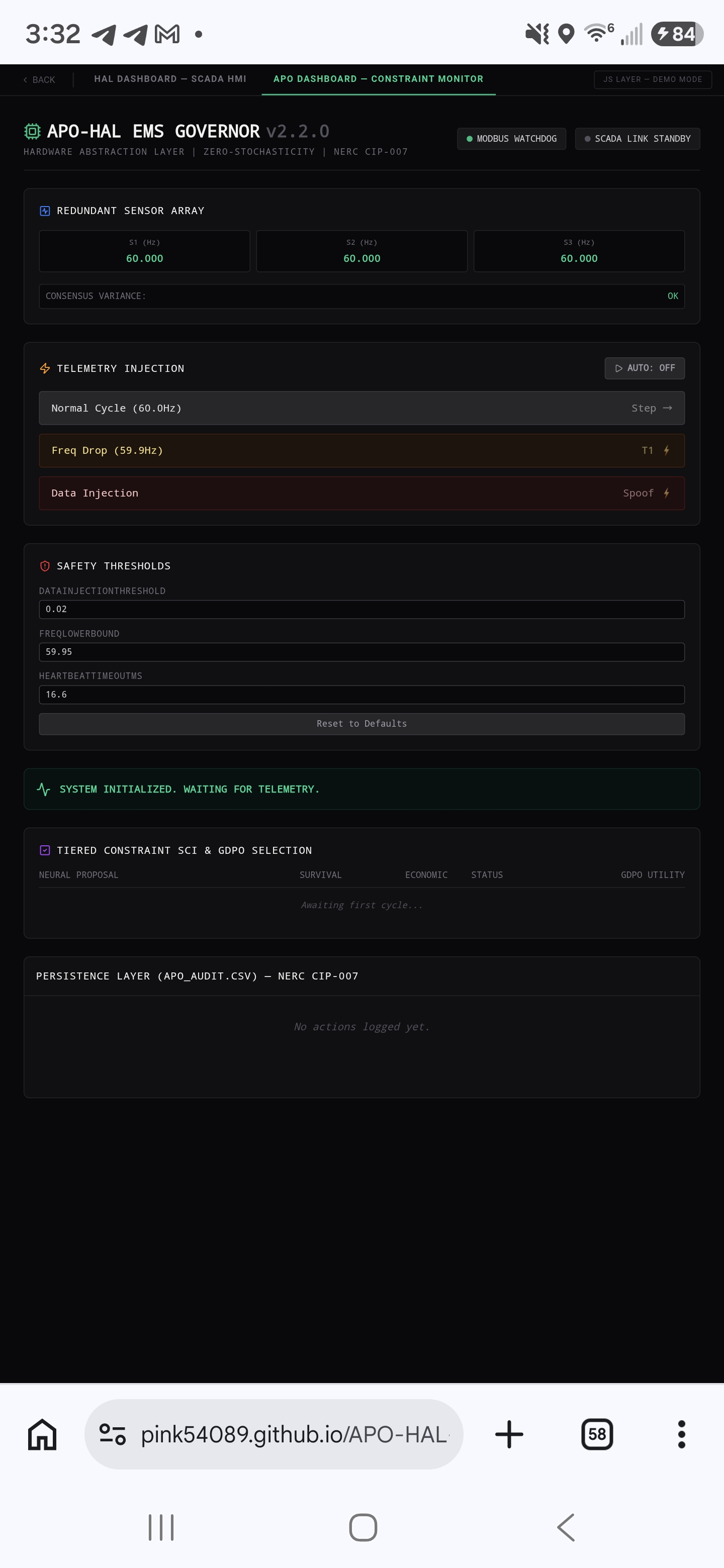
APO-HAL-EMS (Agnotic Policy Optimizer / Hardware Abstraction Layer For Energy Management Systems) is an architectural framework and universal governance layer designed for critical infrastructure control systems and energy management systems. It provides deterministic validation of automated, AI-driven, and human operator decisions before actions are committed to physical hardware or control networks.
“I thought I'd have to do more work by constantly correcting and re-checking that my prompts were being followed with accuracy throughout the build. Gemini was pretty solid and made the process so much smoother, creating much less work for me due to high precision and follow-through.”

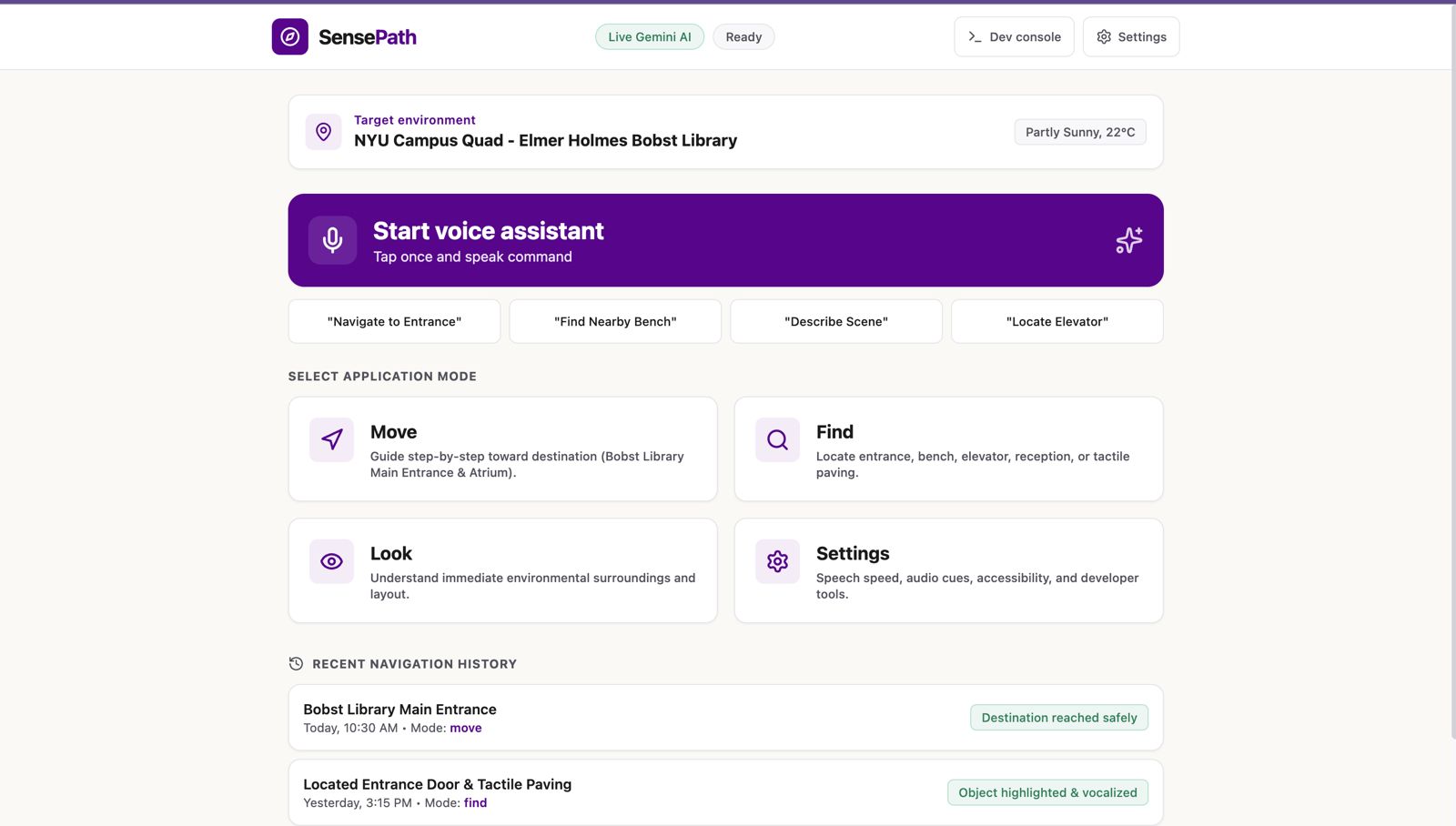
SensePath is a voice-first accessibility assistant designed for blind and low-vision users. It combines Gemini Live, multimodal vision, and Google Maps Platform to help people navigate the last few meters of a journey—finding entrances, benches, elevators, and understanding their surroundings through natural conversation. The standout feature is its ability to seamlessly switch between navigation, object finding, and immersive scene descriptions while keeping the interaction hands-free and acces
“We expected navigation to be the hardest problem, but the real challenge was making AI know when not to speak. Designing an assistant that gives timely, concise guidance without overwhelming or distracting the user turned out to be just as important as the underlying AI itself.”

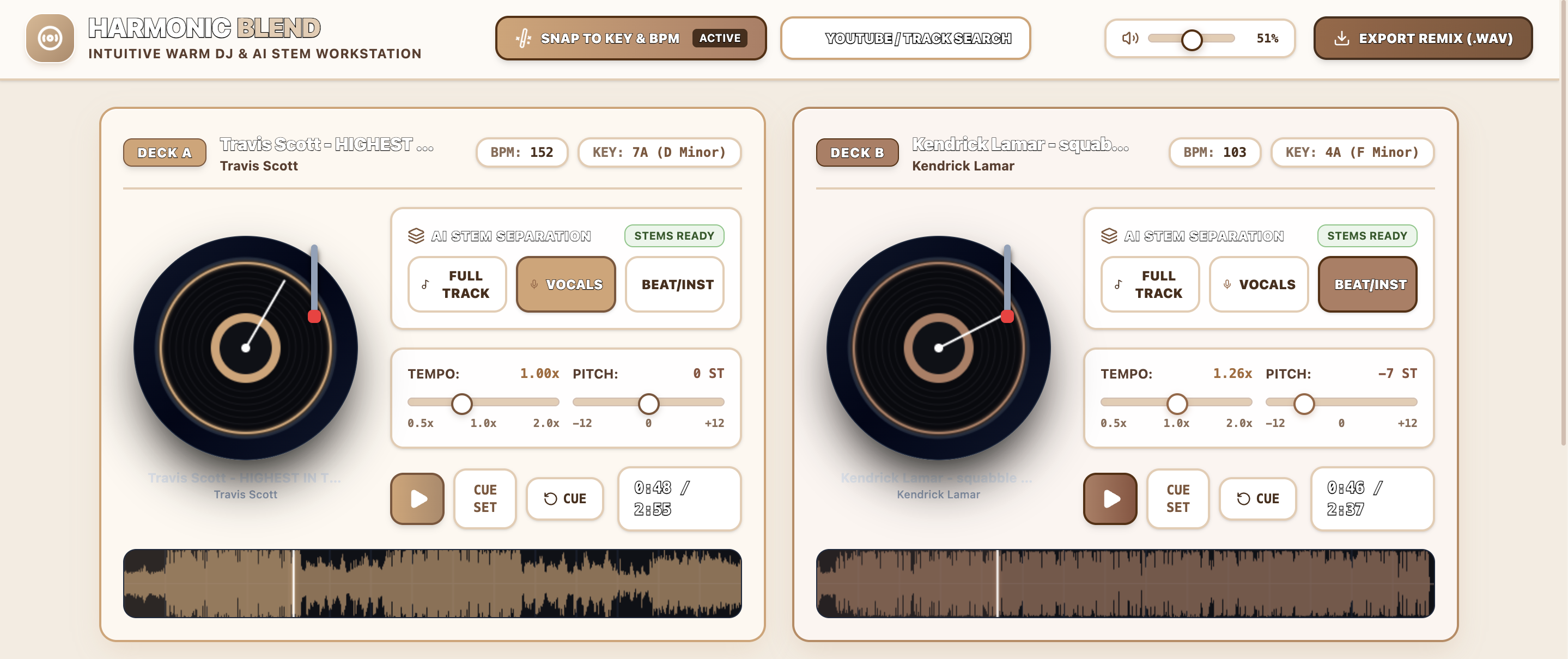
HarmonicBlend is an AI-powered, browser-based DJ and stem mashup workstation that allows users to search any song on YouTube Music and turn it into a professional-grade remix in real time. The platform features dual interactive vinyl turntables, scrubbable waveform timelines, 3-band EQs, lowpass/highpass filter sweeps, crossfader controls, and an offline WAV exporter that lets users render and download their completed mixes directly to disk, as well as using Facebook's Demucs ML to create stems.
“Using Gemini within Google Antigravity to build this project was a leap in autonomous, agentic software engineering. Its crazy how Antigravity reasoned across full-stack boundaries, making Python Flask backends, setting up PyTorch ML pipelines, and coding complex Web Audio API DSP frontend engines, something I would need months of training and understanding to build.”

tracks body movement and converts to in-game punches, sends attacks to the firebase from two simultaneous users
“need to use credits better”