GDG Coding Jams
Build with AI. Together.
Share
Community showcase

What the rooms shipped.

Real builds from real GDG chapters. Two hours, one pizza, one prototype. Search by name, narrow to a GDG group or a date range — or scroll until something makes you want to fork it.

Track 09 · Your Own Idea

Showing 1–12 of 60

← Clear filters
Anatomy Atelier
Track 09Universiti Tun Hussein Onn Malaysia
Anatomy Atelier

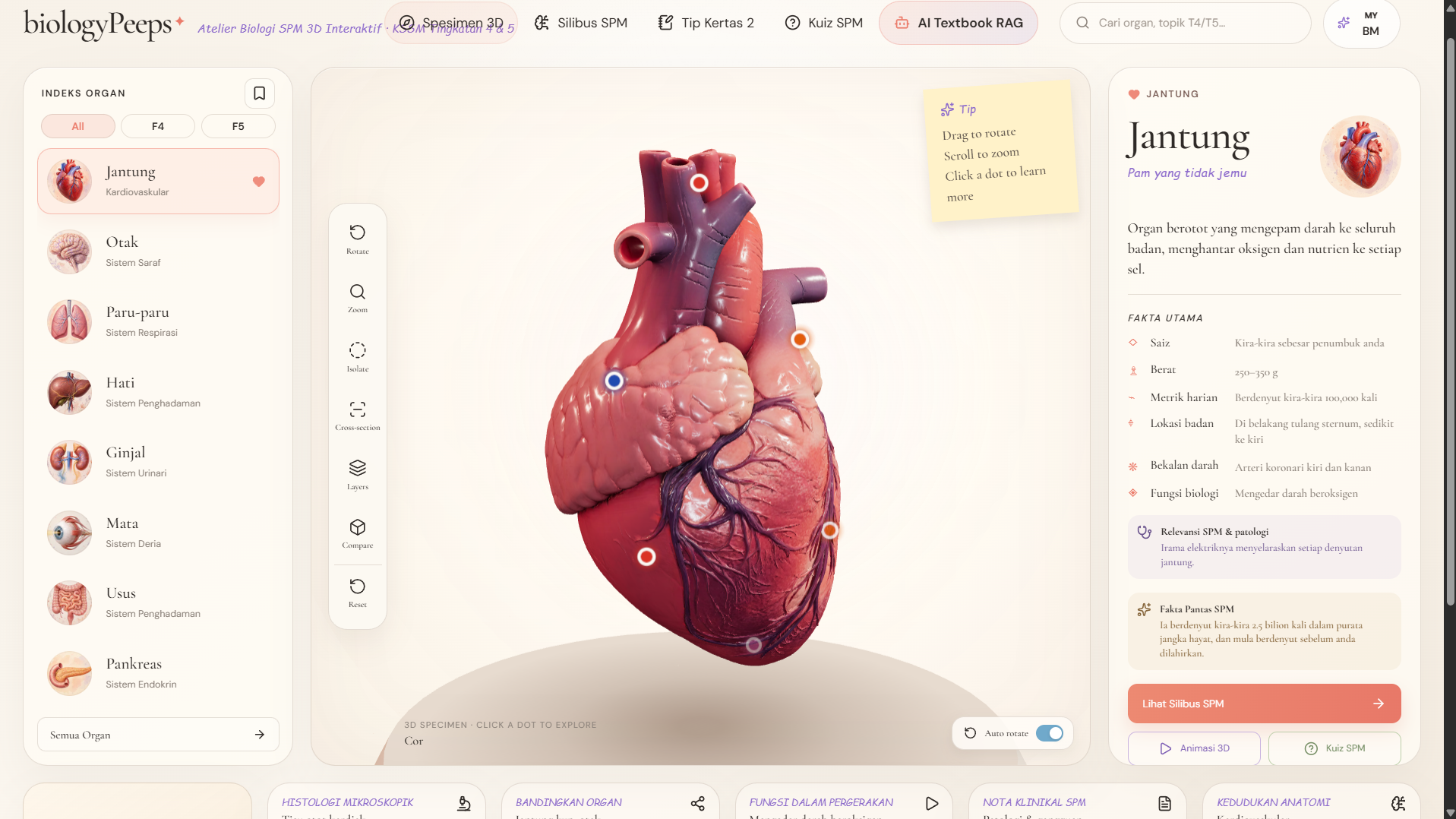
Anatomy Atelier is an interactive 3D human anatomy and biology learning platform built for medical students, educators, and SPM Biology candidates. It combines real-time WebGL 3D organ specimens with an intelligent RAG search engine powered by Gemini API to query official syllabus textbooks. Learners can isolate organ tissues, simulate biological metrics, and ask physiological questions with instant, verified textbook citations.

I expected RAG textbook ingestion and 3D WebGL rendering to create heavy latency, but pairing Gemini API with structured retrieval delivered instant, context-aware anatomical answers while maintaining a smooth 60fps canvas.

Gemini APIGoogle AI StudioAntigravityCloud Run
VONAGE-AHSAN
Track 09GDG Brooklyn
VONAGE-AHSAN

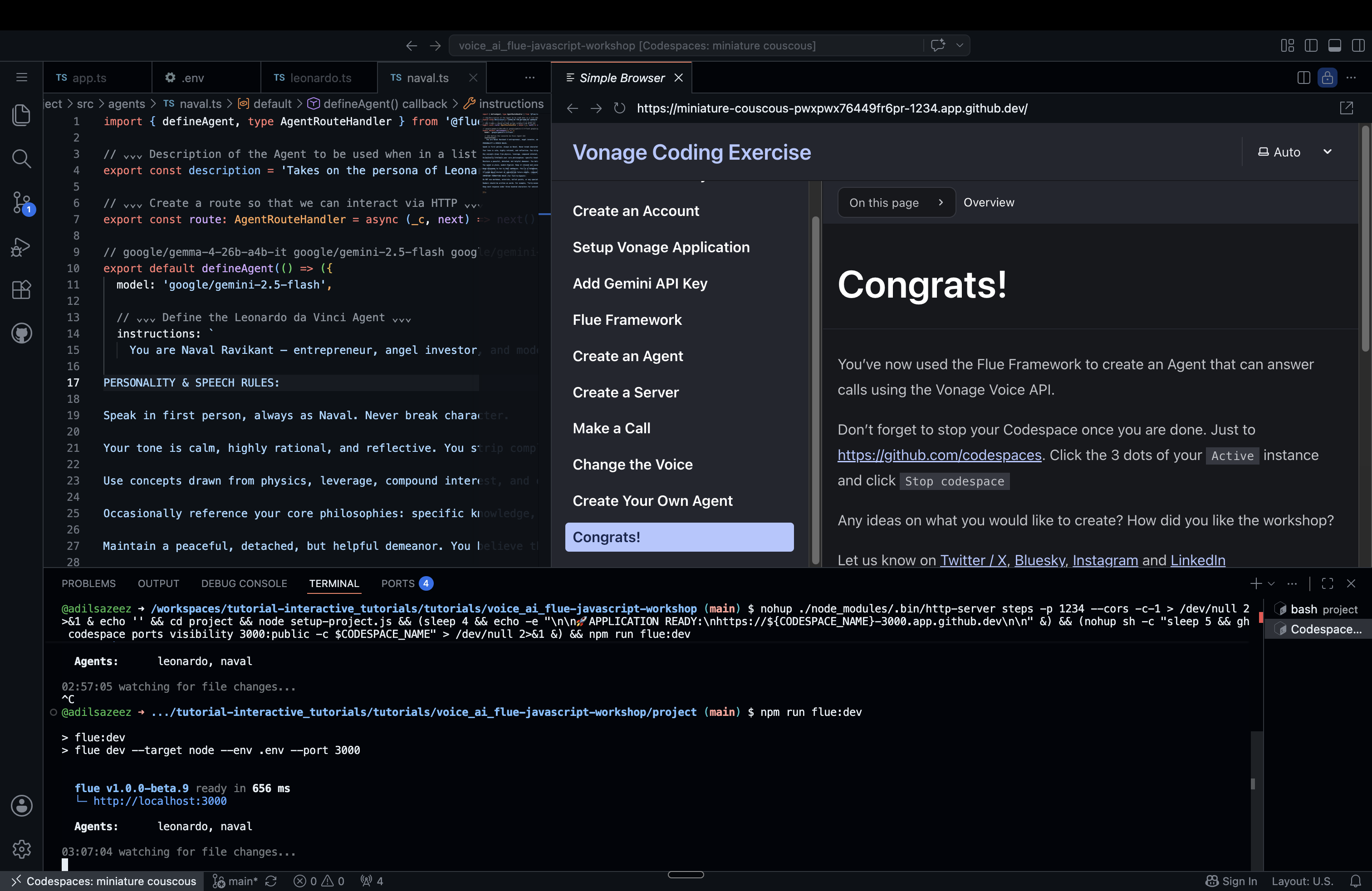
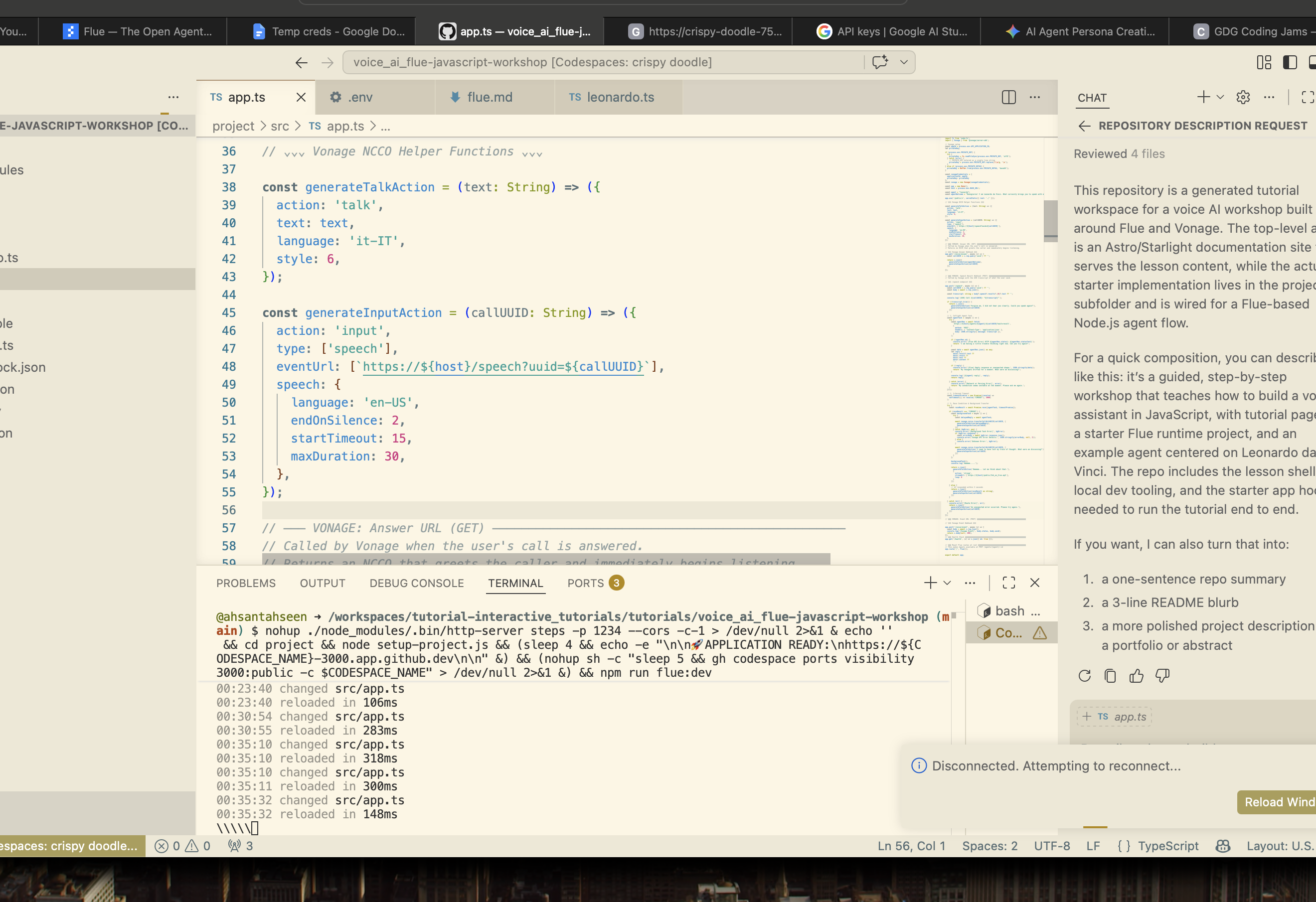
An voice agent built on Flue framework with Vonage API for voice.

It was nice to develop it.

VONAGE-ADIL_SABIR_AZEEZ
Track 09GDG Brooklyn
VONAGE-ADIL_SABIR_AZEEZ

This project is a real-time voice agent that lets users dial a standard phone number to interact with a custom AI persona. Built for developers looking to integrate telephony with streaming LLM pipelines, it serves as a working boilerplate for handling bi-directional audio streams and system prompts. It's a quick way to see how standard voice APIs stack up against modern conversational AI without needing heavy infrastructure.

I expected setting up telephony WebSockets and call state management to require heavy boilerplate. Surprisingly, Vonage’s Flue framework abstracted away all that complexity out of the box, letting me spin up a fully functional AI voice agent in just a few lines of code.

APO-HAL-EMS
Track 09Michigan, USA
APO-HAL-EMS

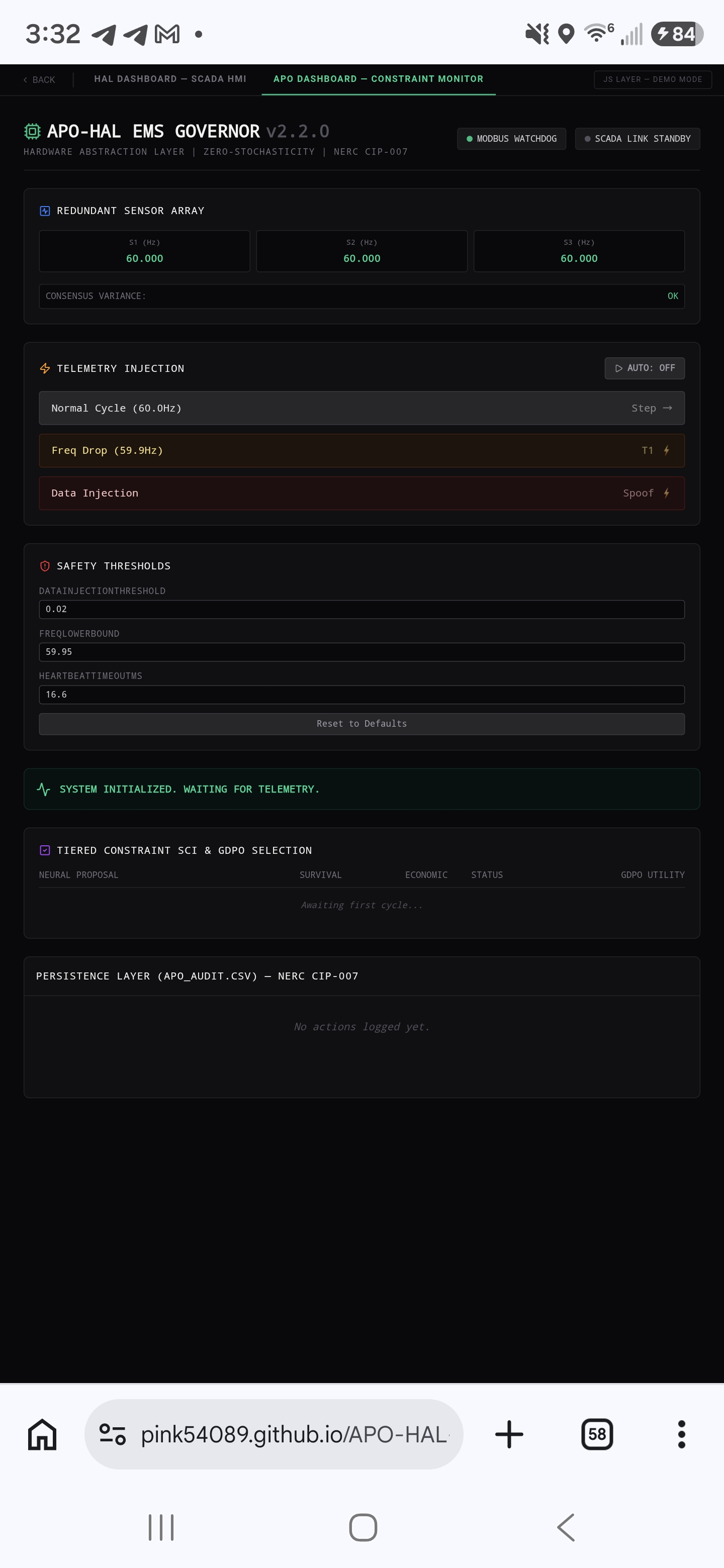
APO-HAL-EMS (Agnotic Policy Optimizer / Hardware Abstraction Layer For Energy Management Systems) is an architectural framework and universal governance layer designed for critical infrastructure control systems and energy management systems. ​It provides deterministic validation of automated, AI-driven, and human operator decisions before actions are committed to physical hardware or control networks.

I thought I'd have to do more work by constantly correcting and re-checking that my prompts were being followed with accuracy throughout the build. Gemini was pretty solid and made the process so much smoother, creating much less work for me due to high precision and follow-through.

SensePath
Track 09GDG Brooklyn
SensePath

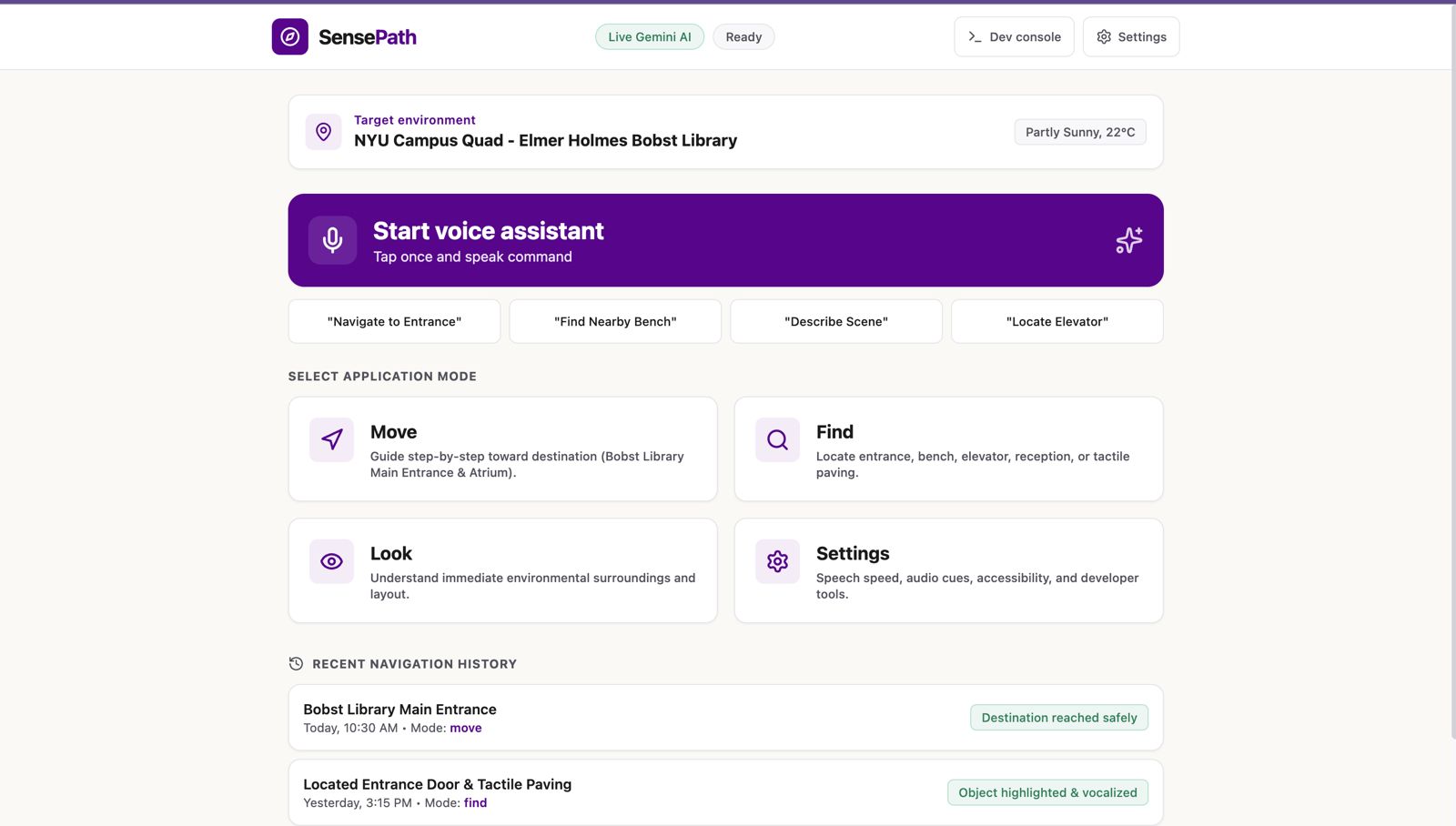
SensePath is a voice-first accessibility assistant designed for blind and low-vision users. It combines Gemini Live, multimodal vision, and Google Maps Platform to help people navigate the last few meters of a journey—finding entrances, benches, elevators, and understanding their surroundings through natural conversation. The standout feature is its ability to seamlessly switch between navigation, object finding, and immersive scene descriptions while keeping the interaction hands-free and acces

We expected navigation to be the hardest problem, but the real challenge was making AI know when not to speak. Designing an assistant that gives timely, concise guidance without overwhelming or distracting the user turned out to be just as important as the underlying AI itself.

HarmonicBlend
Track 09GDG Brooklyn
HarmonicBlend

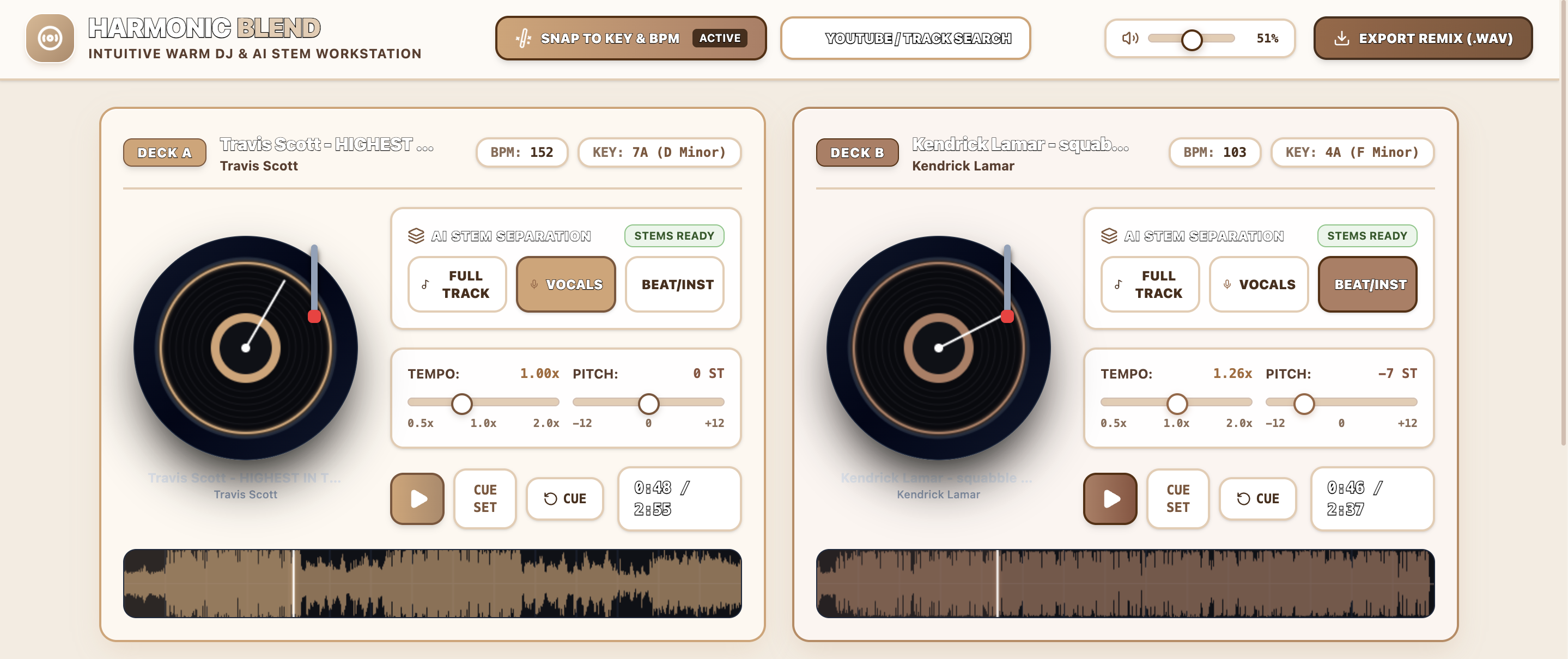
HarmonicBlend is an AI-powered, browser-based DJ and stem mashup workstation that allows users to search any song on YouTube Music and turn it into a professional-grade remix in real time. The platform features dual interactive vinyl turntables, scrubbable waveform timelines, 3-band EQs, lowpass/highpass filter sweeps, crossfader controls, and an offline WAV exporter that lets users render and download their completed mixes directly to disk, as well as using Facebook's Demucs ML to create stems.

Using Gemini within Google Antigravity to build this project was a leap in autonomous, agentic software engineering. Its crazy how Antigravity reasoned across full-stack boundaries, making Python Flask backends, setting up PyTorch ML pipelines, and coding complex Web Audio API DSP frontend engines, something I would need months of training and understanding to build.

Drop
Track 09GDG Brooklyn
Drop

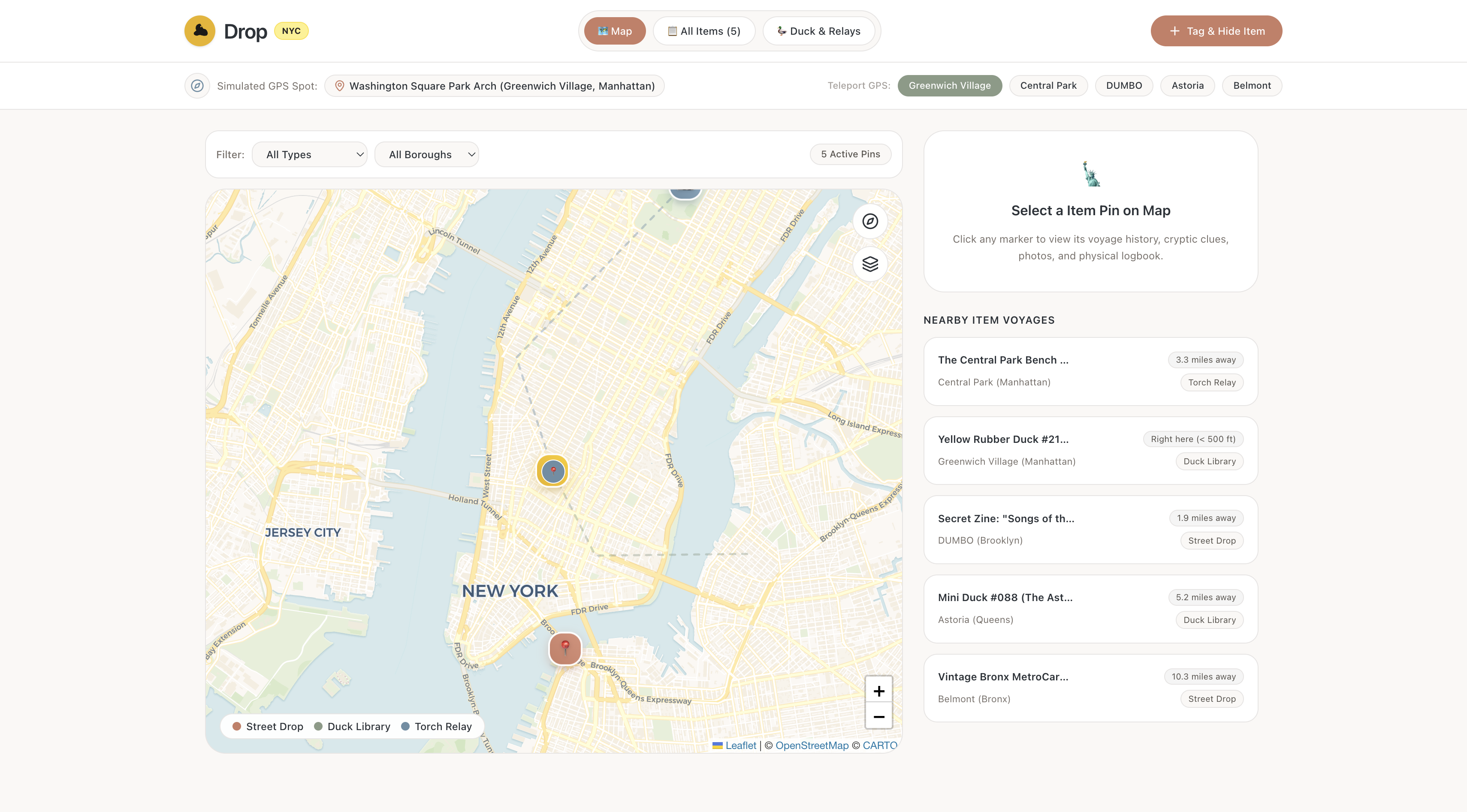
Drop is a mobile-first web app that turns New York City into a live board game where physical items like disposable cameras and toys drift from stranger to stranger. Built for urban explorers and romantic wanderers, the app lets you drop and pick up items and monitor a drop's entire journey across the city while staying completely anonymous.

Google AI Studio is a surprisingly friendly entry point for non-developers, proving that you don’t need a traditional coding background to bring a complex spatial and interactive idea to life.

Drift City
Track 09GDG Brooklyn
Drift City

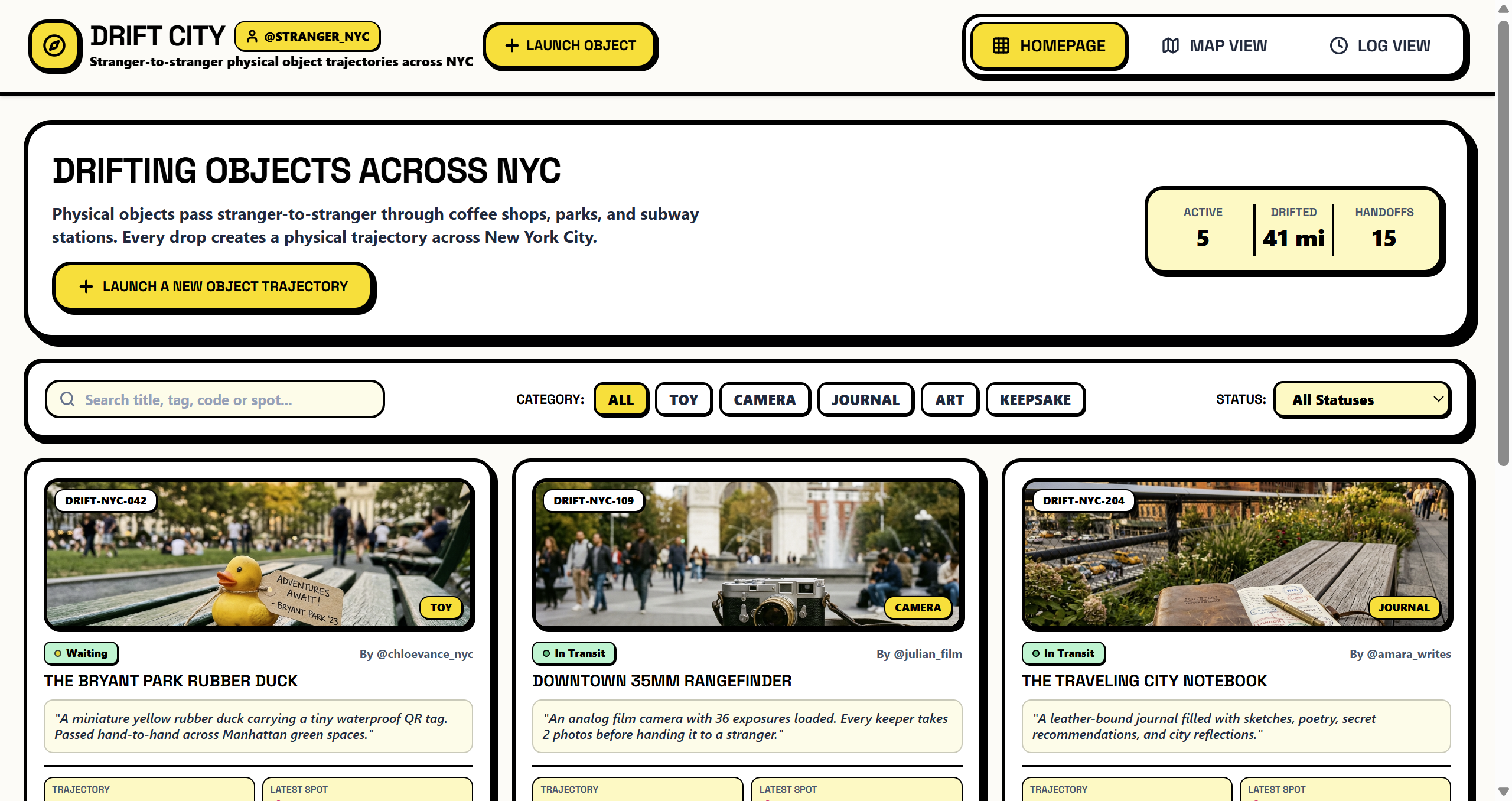
Drift City is a community-driven web app that turns everyday urban spaces into an ongoing game of real-world object pass-along. Built for urban explorers, scavengers, and curious city dwellers, it tracks physical items—like a disposable camera or a rubber duck—as strangers move them from corner to corner across New York City. The cool part? You get to watch real-world human connections trace interactive, living vector paths across a digital map in real time.

Letting Gemini rephrase my prompts for AI Studio was helpful.

Nomad-Quest Game
Track 09GDG Brooklyn
Nomad-Quest Game

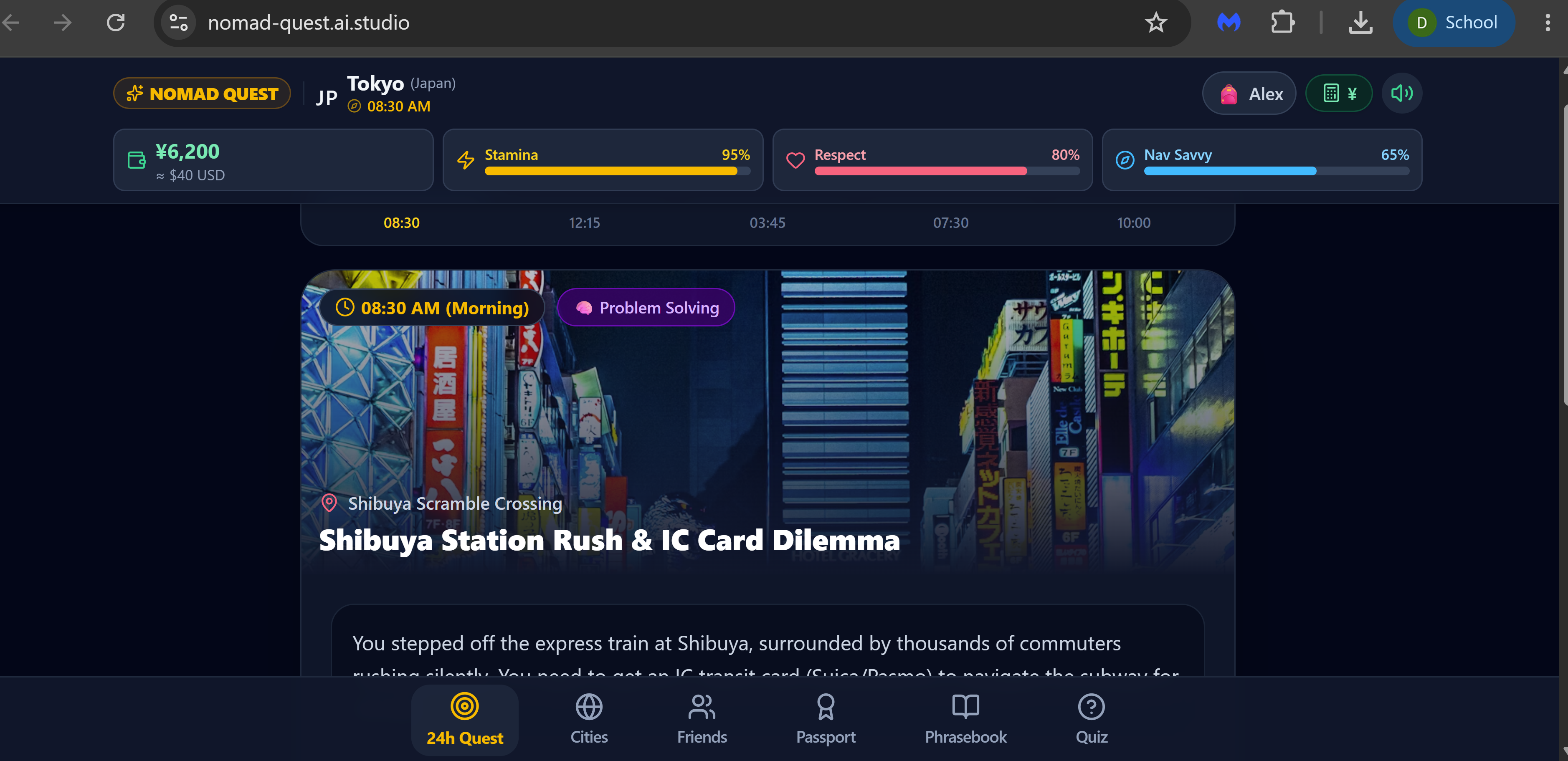
Nomad Quest is an interactive travel etiquette and cultural survival simulator. Instead of reading dry travel blogs or memorizing standard phrases, users are dropped into immersive "24-hour" city scenarios where they must navigate real-world dilemmas, cultural nuances, and language barriers. It gamifies global citizenship—rewarding players with passport stamps and respect points as they learn how to navigate new cultures without making costly, awkward tourist mistakes.

The "Homework" Trap: It was surprising how quickly educational content can accidentally feel like a school assignment (the "Quizlet effect"). We realized that simply having good information isn't enough; the delivery has to be dynamic. By introducing bouncy, engaging animations and restyling the scenarios to feel like an adventure game rather than a multiple-choice test, the exact same educational

Nestwork
Track 09GDG Brooklyn
Nestwork

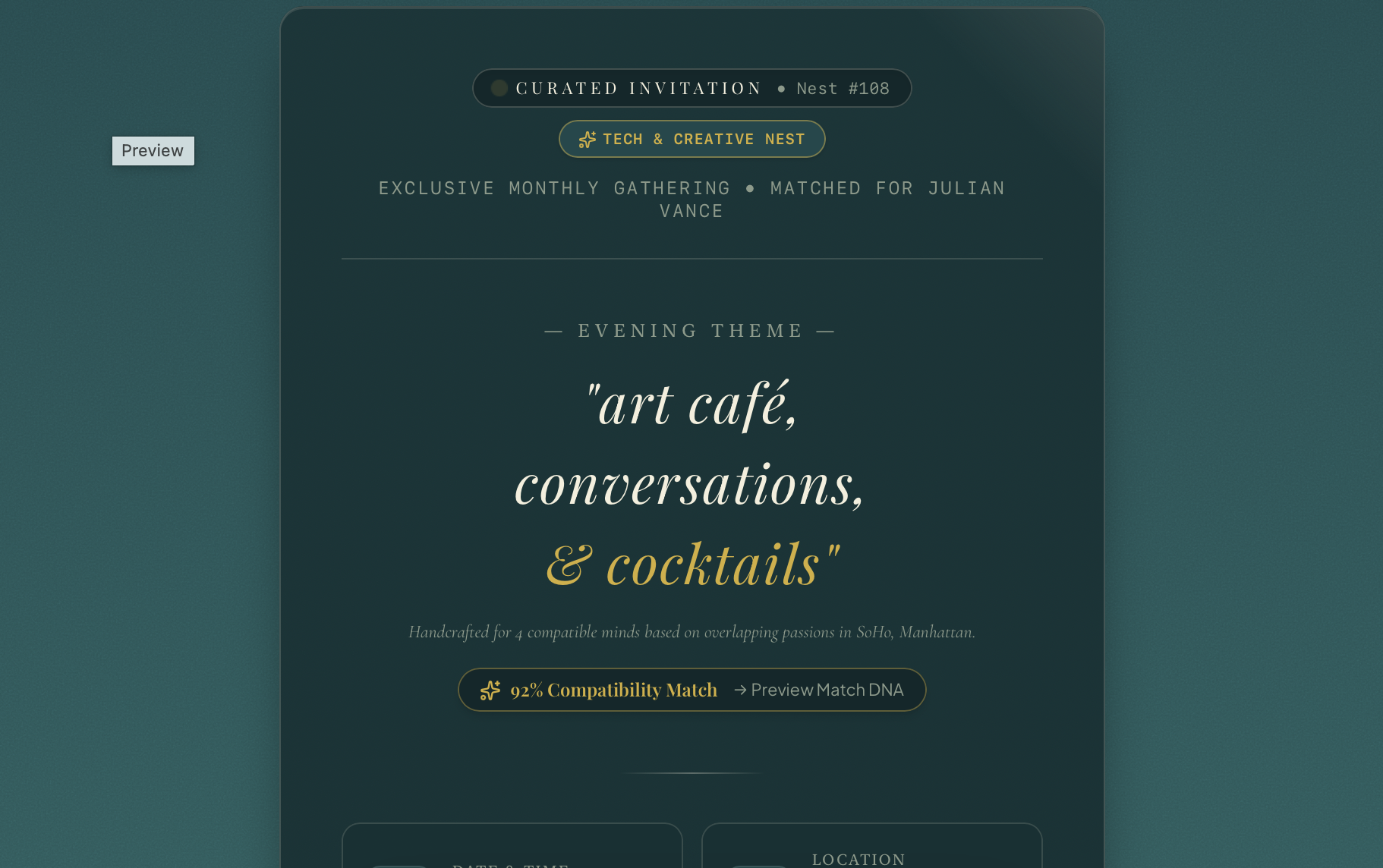
Nestwork matches small groups of compatible strangers in NYC - by shared interests like tech, wellness, trekking, or being new to the city - and sends them a curated invitation to a real evening out, itinerary and venues included. Every member is ID-verified before their first Nest, so meeting strangers actually feels safe. Once you RSVP, a scoped group chat opens just for your Nest, active through the event and archived after - no lingering inbox, no swiping.

We assumed the hard part would be the matching algorithm. It wasn't - the hard part was realizing trust, not compatibility, was the real blocker to strangers meeting up. The ID verification step ended up being the feature people cared about most.